
Advanced & Best GFC Treatment in Marthandam
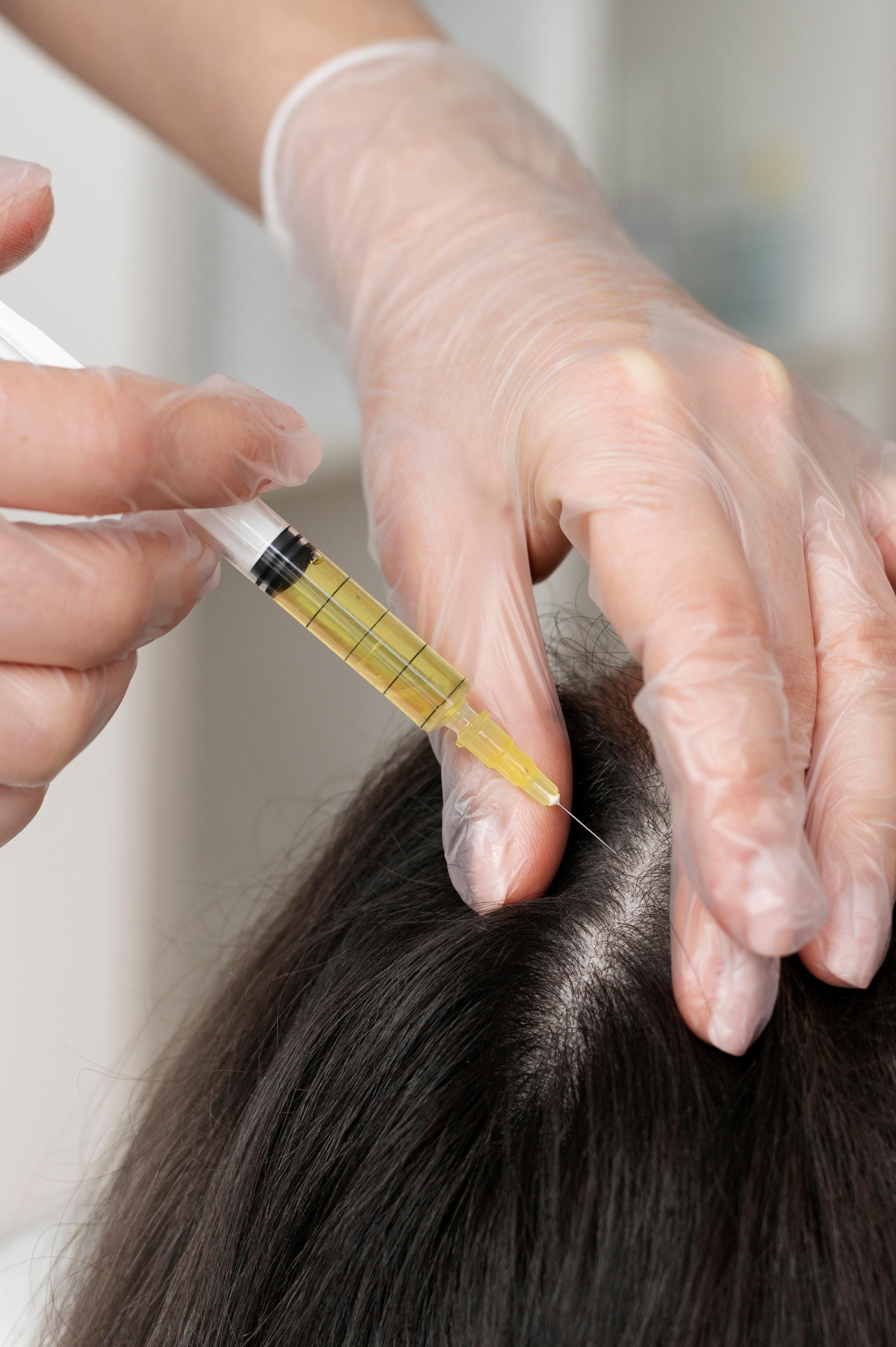
Hair loss consultations in and around Marthandam have changed quite a bit over the last few years. A decade ago, discussions usually revolved around oils, vitamins, shampoos, PRP, and eventually hair transplantation. Today, patients often arrive asking specifically about GFC. Some have watched videos online. Some have been advised by friends who underwent treatment elsewhere. A few assume it is simply another version of PRP with a different name.
That assumption is not entirely wrong, but it misses the reason why GFC has gained attention among hair restoration specialists.
GFC, or Growth Factor Concentrate treatment, uses concentrated growth factors derived from the patient's own blood. The objective is not to create new hair follicles where none exist. That misconception causes disappointment. The real goal is to improve the performance of weakened follicles that are still alive but struggling.
The patients who usually respond best are those who notice increased shedding, widening part lines, thinning crown areas, reduced hair density, or gradual recession that has not progressed to complete baldness.
I often find that people wait too long.
They lose hair for five, six, sometimes ten years before seeking treatment. By then, some follicles have already become inactive. Growth factor treatments cannot revive follicles that no longer exist. No clinic can honestly promise that.
This is where realistic expectations matter.
When discussing the Best GFC Treatment in Marthandam, the quality of patient selection often matters more than the technology itself. A patient with early-stage thinning may achieve visible density improvement. A patient with a smooth shiny bald area present for years may notice little change despite multiple sessions.
The difference is biology.
Not marketing.
One practical detail rarely discussed online is scalp inflammation. A surprising number of patients have ongoing dandruff, seborrhoeic dermatitis, itching, scalp sensitivity, or excessive oiliness. These conditions quietly interfere with hair recovery. Treating the scalp environment often becomes just as important as injecting growth factors.
Patients sometimes become frustrated because they focus only on hair counts.
The scalp is being ignored.
A healthy follicle requires adequate blood supply, reduced inflammation, hormonal balance, proper nutrition, and genetic stability. GFC helps support some of these mechanisms. It does not solve all of them.
That distinction matters.
Questions about how GFC Hair Treatment in Marthandam helps reduce hair loss usually have a straightforward answer. Growth factors are biological signalling molecules. They encourage dormant or weakened follicles to shift into a healthier growth cycle. Hair shedding often slows first. Thickness improvements usually follow later. Patients expecting dramatic changes within two or three weeks are almost always disappointed.
Hair growth operates on its own timetable.
Not ours.
Visible improvement often requires several months because hair follicles cycle gradually. Existing hairs must complete certain phases before newer and stronger growth becomes noticeable.
The comparison between GFC and traditional PRP comes up during nearly every consultation.
PRP relies on platelet-rich plasma containing platelets and various blood components. GFC processing focuses on isolating concentrated growth factors in a more targeted form. The objective is consistency. Some practitioners feel GFC provides more predictable outcomes compared with standard PRP protocols. Others believe both have a place depending on patient characteristics. The debate continues within the field.
Anyone claiming one treatment completely replaced the other is oversimplifying a complex subject.
What makes GFC Treatment different from other hair loss treatments?
Partly the biological approach. Hair medications attempt to modify hormonal influences or support follicle function chemically. Growth factor treatments aim to stimulate cellular activity through naturally occurring biological signals. Hair transplantation physically relocates follicles. Each strategy addresses a different aspect of hair loss.
Sometimes they work better together than separately.
A patient receiving GFC while ignoring severe nutritional deficiencies may not achieve ideal results.
A patient taking medication but refusing scalp treatment may struggle.
A patient undergoing transplantation without stabilising ongoing hair loss can face future thinning around transplanted areas.
Hair restoration rarely succeeds through a single intervention.
Hereditary hair loss creates another area where expectations often become unrealistic.
Is GFC Treatment effective for hereditary hair loss and baldness?

The answer depends on the stage. For androgenetic alopecia, which is the common inherited pattern affecting men and women, GFC can slow progression and improve follicular performance when viable follicles remain. Completely bald areas with long-term follicular loss generally respond poorly. Patients sometimes arrive carrying photographs from five years earlier expecting those hairlines to return.Biology rarely negotiates that way.
The benefits of GFC treatment for hair regrowth usually appear as reduced shedding, improved shaft thickness, healthier scalp quality, better hair density, and stronger existing follicles. The changes can be subtle initially. Family members often notice improvement before patients do.
Hair restoration is not always dramatic.
Sometimes success looks like stability.
Preventing further deterioration can be a major achievement, especially for younger patients with aggressive hereditary loss.
One mistake I see repeatedly is treatment hopping.
A patient undergoes one session.
Waits three weeks. Declares failure. Moves to another clinic. Tries a different procedure.Starts supplements.
Stops supplements. Changes shampoo. Repeats the cycle. Hair follicles cannot respond to constant impatience.The timeline itself becomes the problem.
When discussing the Best GFC Treatment in Marthandam, the clinic's diagnostic process deserves more attention than glossy advertisements. Proper assessment includes family history, scalp examination, hair density evaluation, medical history, hormonal factors when relevant, nutritional assessment, and realistic discussion regarding expected outcomes.
The injection procedure itself is only a small part of the process.
Patients are often surprised by how quick treatment sessions can be. Preparation usually takes longer than the injections. Discomfort levels vary. Some patients describe mild pressure. Others report temporary tenderness for a day or two.
Most return to normal routines quickly.
Can GFC Treatment improve scalp health?
In suitable cases, yes. Reduced inflammation, improved follicular environment, better scalp circulation, and healthier tissue response are frequently observed. Patients sometimes report reduced itching and improved scalp comfort even before major hair density changes become visible.
That said, scalp disease still requires proper treatment.
GFC should not be viewed as a replacement for managing fungal infections, psoriasis, severe dermatitis, or other scalp disorders.
How many GFC sessions are required?
There is no universal answer. Some clinics advertise fixed packages. Real patients do not fit into fixed templates.
Three to six sessions are commonly recommended depending on severity, age, progression rate, genetics, and response. Maintenance sessions may be advised later. The exact schedule should evolve according to results rather than rigid marketing packages.
I would be cautious of guarantees.
Hair restoration contains too many biological variables for guaranteed outcomes.
The conversation about side effects is usually much shorter than discussions about effectiveness.

Are there any side effects of GFC Treatment?

Most reactions are temporary. Mild swelling.
Tenderness. Injection site discomfort.
Temporary redness. Occasional bruising.
Because the treatment uses material derived from the patient's own blood, allergic reactions are uncommon. Still, uncommon does not mean impossible complications never occur. Proper technique and sterile protocols remain essential.
A neglected topic is post-treatment behaviour.
Patients sometimes spend money on advanced procedures and then undermine the results themselves.
Smoking continues. Sleep remains poor.
Protein intake stays inadequate. Stress levels remain uncontrolled.
Scalp care is neglected.
The treatment receives blame for problems created elsewhere.
This happens more often than people realise.
The phrase Hair Regrowth Treatment in Marthandam covers a broad category that includes medications, regenerative procedures, transplantation, nutritional correction, low-level laser approaches, and scalp therapies. GFC occupies a valuable place within that spectrum but should not be viewed as the universal answer for every patient.
No serious hair specialist believes that.
Why choose the Best GFC Treatment in Marthandam for hair restoration?
Patients generally seek three things. Credible diagnosis. Appropriate candidate selection. Consistent treatment protocols.
Fancy equipment alone rarely determines outcomes. Experience in recognising who should receive treatment is often more valuable than the treatment itself.
I have seen cases where patients were correctly advised not to proceed because expectations exceeded biological reality. That advice may not sound attractive during a consultation, but it is often the most honest guidance available.
How long do the results of GFC Treatment last?
The answer depends largely on the underlying cause of hair loss.
Genetic hair loss remains active even when symptoms improve. Follicles continue ageing. Hormonal influences continue. Lifestyle factors continue.
Results can last for extended periods when supported with appropriate maintenance and medical guidance. Patients expecting permanent once-and-done correction are usually misunderstanding the nature of hair loss itself.
Hair loss is rarely a single event.
It is an ongoing process.
The clinics that achieve the strongest outcomes are usually those that treat it that way.
Anyone searching for the Best Hair Clinic in Marthandam should spend less time comparing advertisements and more time evaluating how thoroughly the clinic investigates the cause of thinning before recommending treatment. The consultation often reveals more about future results than the procedure ever will.
The discussion around the Best GFC Treatment in Marthandam continues to evolve as regenerative medicine advances. What has remained consistent is the basic principle that healthier follicles tend to produce healthier hair. Growth factors help create conditions that support that process. They are not magic. They are not ineffective either.
The truth sits somewhere between those extremes.
That is usually where good hair restoration medicine operates.
Frequently Asked Questions (FAQs)
How does GFC Hair Treatment in Marthandam help reduce hair loss?
Growth factors stimulate weakened follicles, improve follicular activity, and may reduce excessive shedding. The treatment works best when follicles remain alive and capable of responding.
What are the benefits of GFC treatment for hair regrowth?
Reduced hair fall, improved hair thickness, enhanced follicular activity, better hair quality, and potential improvement in scalp condition are commonly reported benefits.
What is GFC Treatment?
GFC stands for Growth Factor Concentrate treatment. It uses growth factors extracted from the patient's own blood and injects them into areas affected by hair thinning.
Contact Address
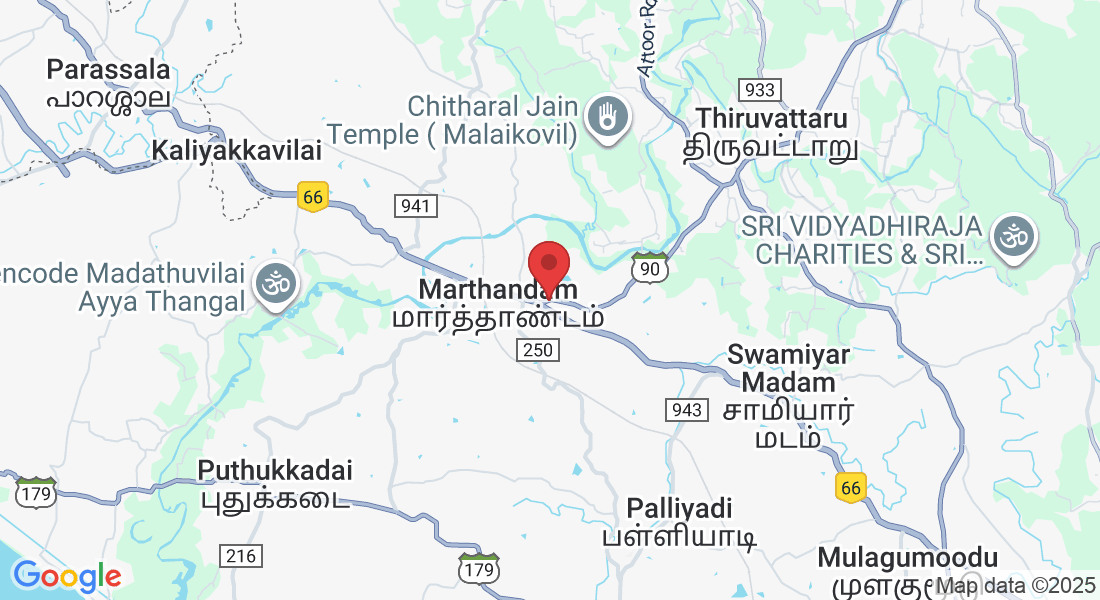
AJ Towers, behind Union Bank of India,
Kulesekharam road, Tamil Nadu 629165
+91 75984 05775
05:00 PM – 07:30 PM (Mon - Sat)


Locate Us
© 2026 Jeena's Skin and Hair Clinic. All rights reserved.